icon caret-left icon caret-right instagram pinterest linkedin facebook x goodreads bluesky threads tiktok question-circle facebook circle twitter circle linkedin circle instagram circle goodreads circle pinterest circle

Conversazione

How One Millennial Baker Reinvented a Sicilian Classic to Win Pittsburg’s People’s Choice Cucidati Award

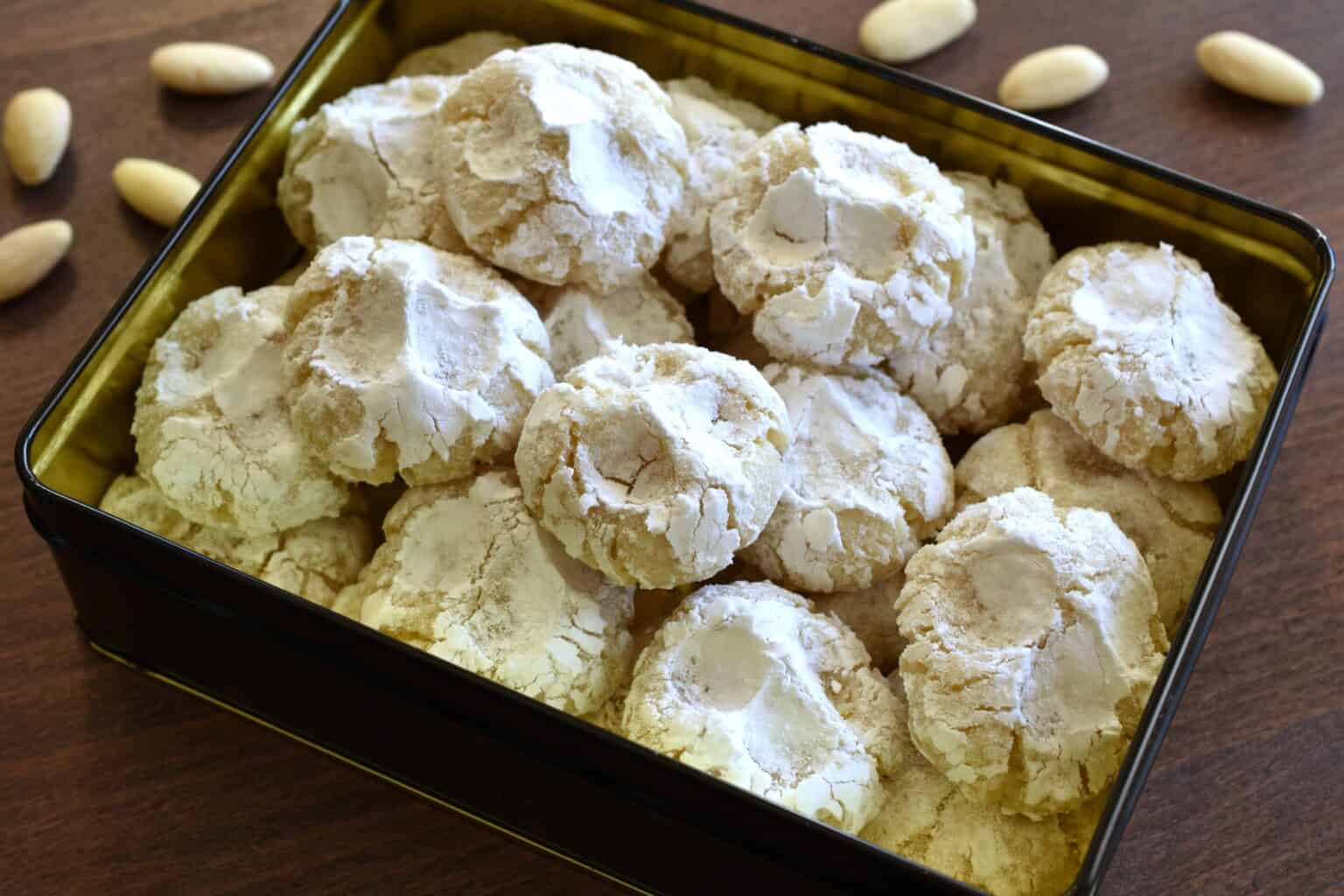
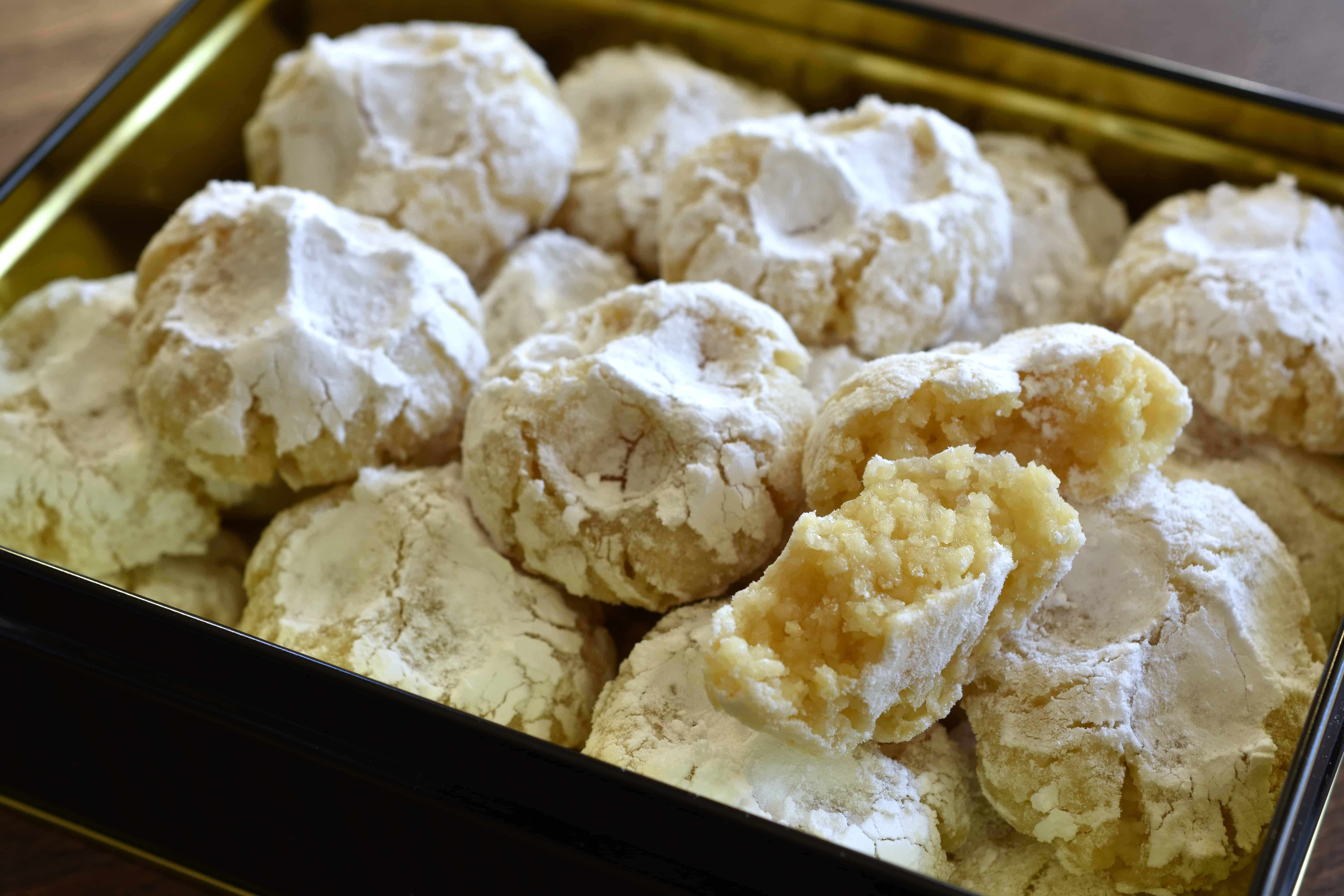
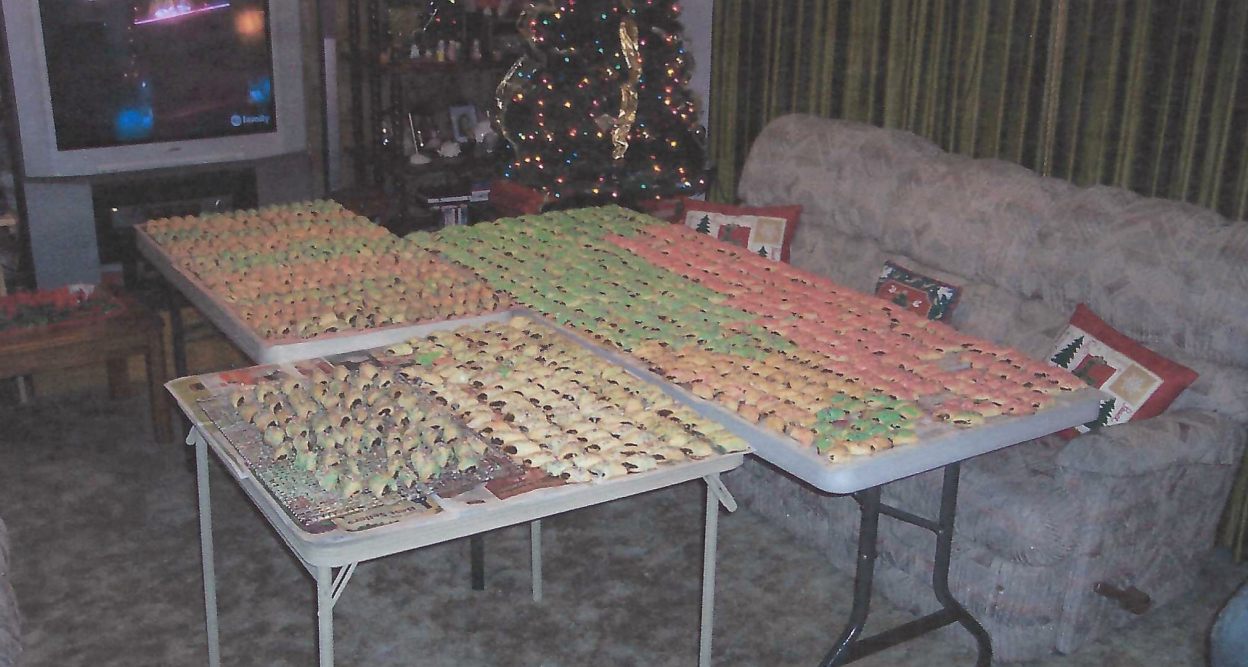
A Sicilian classic steals the show every year at C. Colombo Sons and Daughters of Italy Lodge 1315's Cucidati Contest in Pittsburg, California. Photo by Mary Lucido

Pittsburg Youth Development Center was the place to be last Saturday afternoon. About 200 people arrived to taste and buy their favorite Sicilian cookies at a special holiday event hosted by the Sons & Daughters of Italy, C. Colombo Lodge 1315.

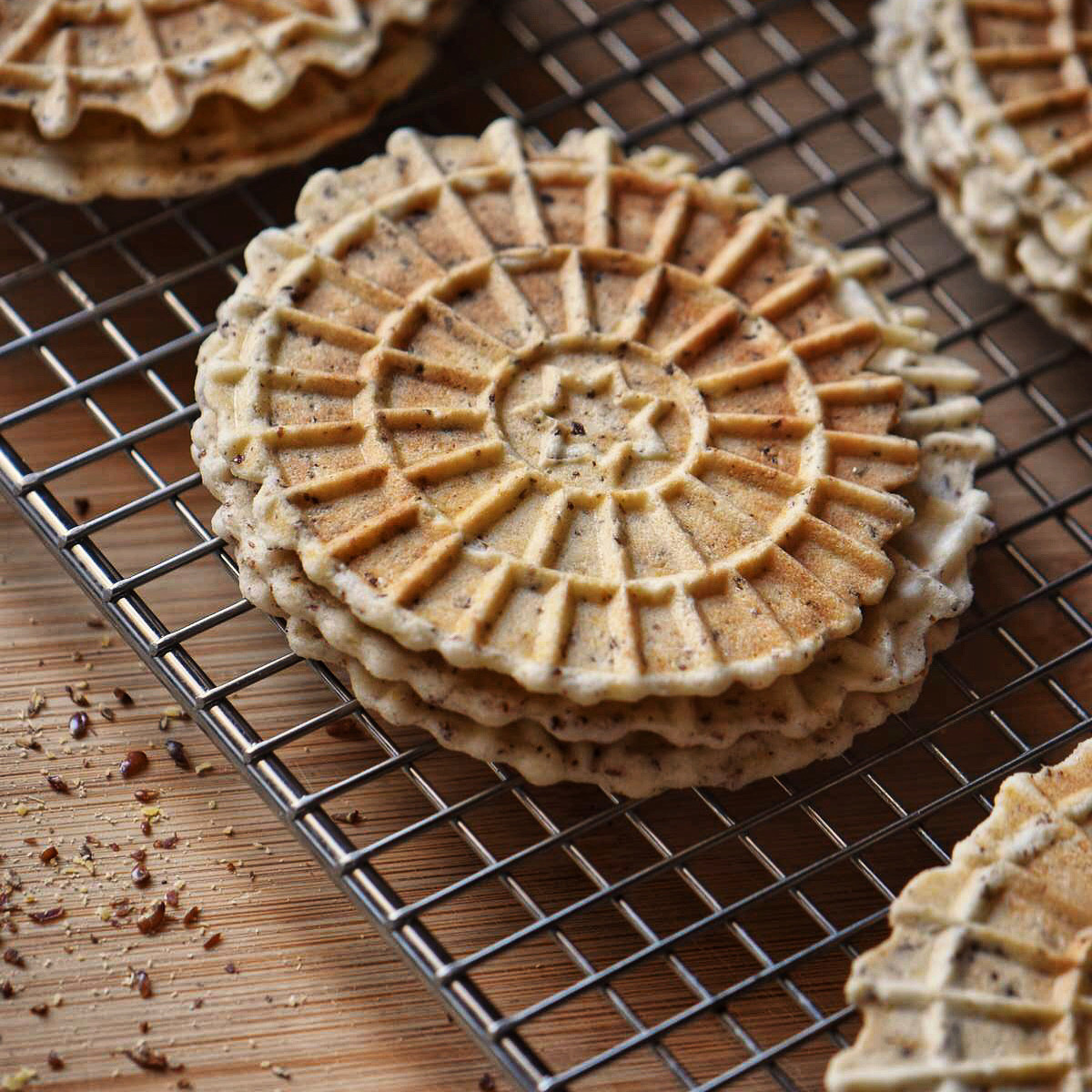
Contra Costa County resident Mary Lucido brought in 200 of her famous tetù cookies, which sold out rather quickly. Others carried in pizzelle, coconut cookies, almond cookies, esse biscotti, rainbow cookies, and thumbprint cookies. Someone even brought chocolate chip cookies.

But the true stars of the show were the cuccidati (also spelled cucidati), for which attendees could cast their votes as part of the thirteenth annual Cucidati Contest. Meanwhile, judges, using a blind taste test, rated the chewy, fruity, and sometimes boozy classic Sicilian Christmas cookies on appearance, texture, filling, and dough.

The event serves as an unofficial community kickoff for the holiday season and raises funds for scholarships. Anyone could enter to win one of the multiple prizes as long as they brought at least 100 cuccidati, each at least 2.5 inches long.

Mary encouraged 2013 winner Gina Cardinalli Rines to enter. The one-time manager and head pastry chef at Berry's Pastry Shop (now Mike's) in Antioch, California, sells her own holiday cookies each year. More recently, she served as an assistant manager at Alpine Pastry & Cakes in the nearby city of Concord, where she still pitches in from time to time between her on-campus suspension supervisor position at Freedom High School in Oakley.

Gina has been professionally baking and decorating sweets and cakes for the past 25 years. But her real training came in her Sicilian nonni's kitchen, where she and her grandmother would bake and make sweet memories together.

Like the Aiellos in Beneath the Sicilian Stars, the Cardinalli family came to Pittsburg by way of Isola delle Femmine, Sicily. They didn't make cuccidati, but a friend introduced Gina to the recipe for these distinctly Sicilian cookies, which, through their ingredients, tell the story of the many visitors, conquerors, and monarchs who shaped Italy's largest island and its history.

After years of refining technique and adjusting in response to customer feedback, Gina landed on a formula that last weekend proved to be a winner. She won the Cucidati Contest People's Choice Award and third place in judging. Teresa (Ferrante) Freeman took home first prize.


Gina and I chatted about what makes a winning cookie, her not-so-secret recipe, and why traditions aren't meant to be static.


When and how did you start making cuccidati?

It wasn't one of the big cookies my family made, but my dad's dad's best friend's mother was known for hers.  In 2005, she came over and showed me how to make them. And so I've taken her recipe, used my professional experience, and adapted it into my own over the years.


How did you update the recipe?

I've changed some of the ingredients, and then last year, a customer who has been buying my cookies for about 15 years reached out and was like, "Hey, I know this is what you make all the time, but do you think you could kind of tweak it? My husband and I were thinking it would taste better if it had a little more chocolate and a little more orange flavor, and if the crust was a little different."

I went off what they had said, and I told the rest of my customers, my year-round customers, "I'm going to test this out and do it differently," and they said, "No!"


But after everybody tasted it, they thought it was definitely improved. So I've added more chocolate and more orange, and I've changed my crust. It used to be all shortening, but I combined it with butter. I also use whiskey and Grand Marnier now for the orange flavor when soaking the fruit filling.


Are any ingredients more challenging to source?

I use mincemeat in the filling. I used to buy it in bulk, but they stopped carrying it at the store I was going to. I was still at the bakery. Our sales reps would reach out to us in August to ask if we needed mincemeat, because they would only get a certain amount in at a warehouse, so you would have to be put on a list. So, I buy and stock up for the year because I'll go through a lot of jars during all of the holidays.


Which ingredients are key to a good batch of cuccidati?

I would say figs would be the biggest contributor to the flavor. They're pulled from Sicily's Arab ties.

There are also nuts. Because the fruit is dried, you want to rehydrate it with alcohol to enhance the flavor. Some people marinate it for months, but I'll do it for 4 or 5 days to get a good flavor.

Having the outside, the shell, be thin so you can taste all of the filling makes a big difference, too. When it's too thick, it's not as enjoyable because you're tasting the dough rather than the filling.


What does making these cookies mean to you?

It's important to keep traditions like these. I have two daughters, so they help me; they're getting older. They're nine and seven, so they're helping, curious, and want to do it as well.

When we make ravioli, it's almost the same process as when you make cookie dough. You're making a filling, and then you're rolling it out, and it takes up two days.


Making cookies is a long process, but that's part of the experience because they're all done by hand. You cannot make them in a mixer. They do not come out the same, no matter what.

If you put in the time and effort, you'll have that transferred into what you're producing.

A lot of older people appreciate what you're doing, because they used to make them or don't want to make them, because it's too hard.


There aren't many people from my generation (Millennials) participating or showing up. But it is important to preserve the legacy, especially when many people's families came from the same place and share the same traditions we want to keep.


If you don't learn it or put the effort into knowing how, then it's going to get lost.


Looking for more Italian cookie inspiration? Check out these other blog features.

Sicilian Holy Week: Pani di Cena and Family Tradition

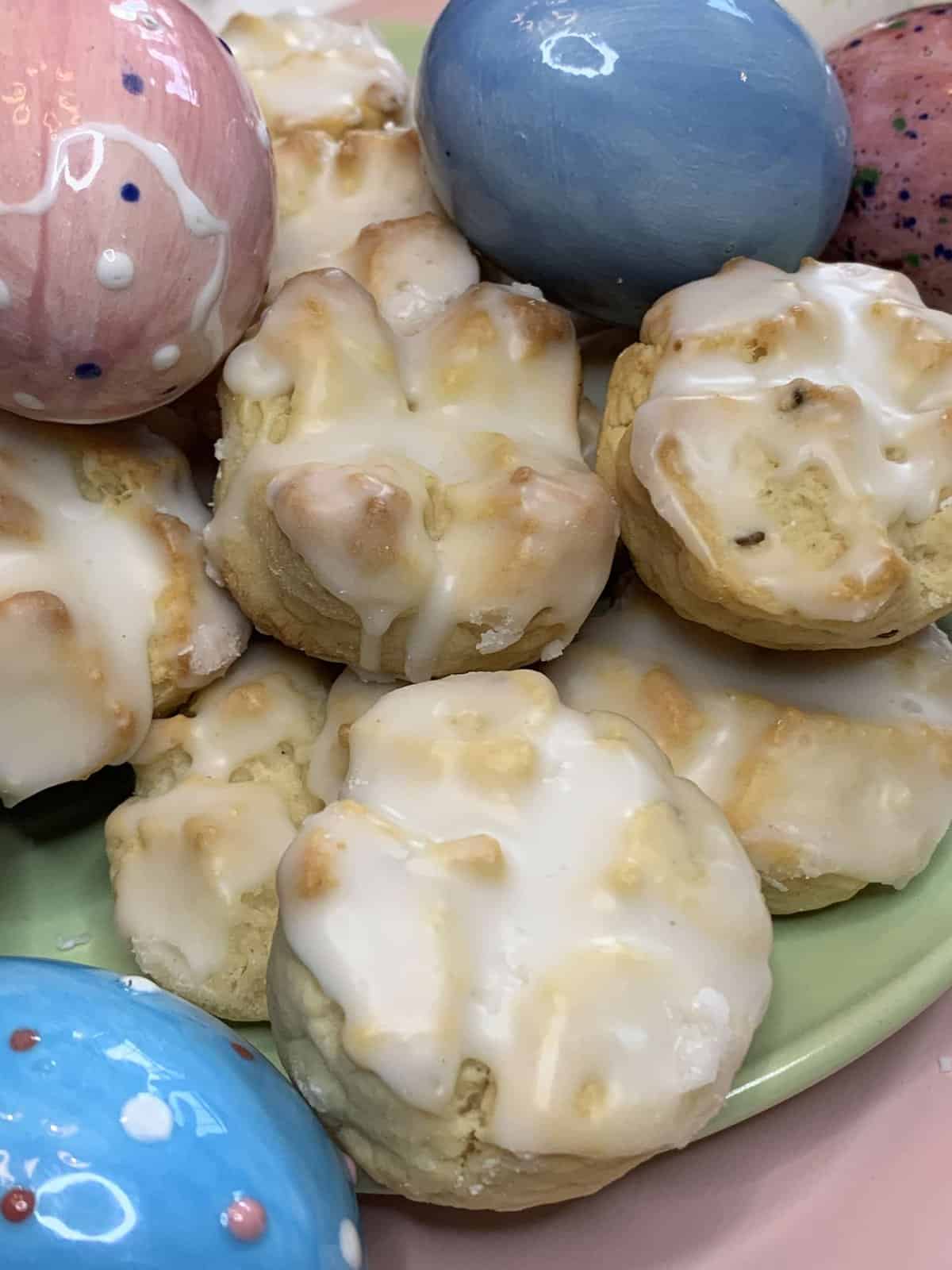
The tradition of La Settimana Santa, Holy Week, brings people out of their homes to watch and participate in various daily processions of statues through the streets. It's also a time to enjoy sweet bread, often flavored with anise, which is typical of the Lenten season. Among the favorite bread recipes is pani di cena—really cookies—which are shaped like crosses. While this "bread" is often served on Holy Thursday, you can enjoy pani di cena year-round. 


Food writer Enza Whiting features a pani di cena recipe on her blog, Enza's Quail Hollow Kitchen. Enza was born in Palermo and lived in the town of Valledolmo for the first four and a half years of her life. 


We discussed pani di cena and what Enza hopes her family and readers will take away from her recipe.


Tell us about your pani di cena recipe.

My grandmother made these cookies for us when we were kids. She would shape them, cutting them in the shape of a cross. They were always served on Good Thursday, right before Easter.


It was a Sicilian tradition in the church that the elders made these cookies. They would have these church communities or church groups aside from the priests, and whoever was the head of that community or that committee for that year would make these cookies for all of the other members of the committee. So they would make the pani di cena.


They were always made on Good Thursday, and they would get a sugar lamb. It was part of the tradition that they sacrificed for their community by creating these cookies and giving them out in all the towns. 


My mother told me the story about when my great-grandfather was the elder, and it was his turn to make these. My grandmother was maybe 15 or 16 years old, and she was the one who made them all. 


They didn't all have ovens in their homes, so the town had ovens that everybody would use. All the women would get together, bake the cookies, and then take them to the ovens to bake them in their local oven. I guess that's how they used to make their bread, too, because they didn't have ovens in their homes; they had to use a public oven to bake their bread. So it was very communal.


The other thing my grandmother would do for us was make the little crosses, but then she would also make pupa cu l'ova using the same dough. She would put a colored egg in it and bake it. My favorite thing on Easter was getting the hard-boiled egg with my cookie. 


Pani di cena is actually more of a cross between bread and a cookie. My grandmother's recipe is more of a cross between bread and a cookie. I call it a cookie; my mother calls it bread. When you bite into it, it is somewhat crunchier on the outside and tender on the inside. However, the inside has more of a soft cookie texture than the texture of bread that you would normally think of as soft bread. It is made with yeast. So, it is a yeast recipe, but the texture is different from that of some of the breads you will see. 


Why did you start Quail Hollow Kitchen?

Being Italian, food is a big part of your tradition. It's how we celebrate things; it's how we communicate with each other. 


I remember when we were kids, we had dinner together as a family every night, and my mother would make meals with whatever she had in the kitchen or the refrigerator because there wasn't a lot of money growing up. So, they had to be creative and use what they had available. But dinnertime was always sacred. That was a time when we sat down as a family.


My dad was really big into talking to us about what was going on in the world because he wanted us to really understand what was happening around us and how it impacted us. During those dinners, my parents also spent a lot of time talking about where they came from, what life was like for them growing up, and how different it was for us here because it was important that we appreciated all the sacrifices that happened to get us to where we were.


So, for me, food and our traditions have always been really important. We continue to talk to our kids about those things because I don't want them to forget about their heritage, their history, and what life was like for other people so that they can enjoy the things that they enjoy today. We do all of that around food. It always seems to be the center of these family functions, celebrations, and communications. 


I started Quail Hollow Kitchen mainly because my grandmother had passed away, and I was really worried that as my mom was getting older, I was going to lose all of her recipes. So she was able to carry on my grandmother's traditions with food, and I wanted to be able to somehow memorialize it so that even when I'm gone, my kids can still have access to all of that information. And it's named Quail Hollow because that is the street that I live on.


When I got into it, I realized that I really enjoyed all the different aspects of this website. So it's grown from there, but it still centers around all of our Italian dishes and foods, and really makes sure that all of our Sicilian foods are front and center, somewhere our family has access to.
 

pani-di-cena-2--1-.jpg


What do you hope at-home bakers will take away from this cookie recipe?

Personally, for my family, because it's been a part of our family, and we have made this every year for as long as I can remember, I hope they understand that this has been handed down for many generations.


For other readers, I hope that they want to try it because it may be different from something that they're used to. Maybe they will learn something about how other people have enjoyed foods around the Lenten holiday and Easter that might be different from how they've celebrated it. 


It's really about keeping that Sicilian heritage and history going. I have other blogger friends who do similar things within their cultures. I think many of us out there hope that as the world continues to progress, we don't forget some of the things that made our families what they are. 


>>Get Enza's recipe here!<<


If you enjoyed this article, consider subscribing to my newsletter for more content and updates!